Vellum Paper, Packing Paper and Tissue Paper: A Practical Guide
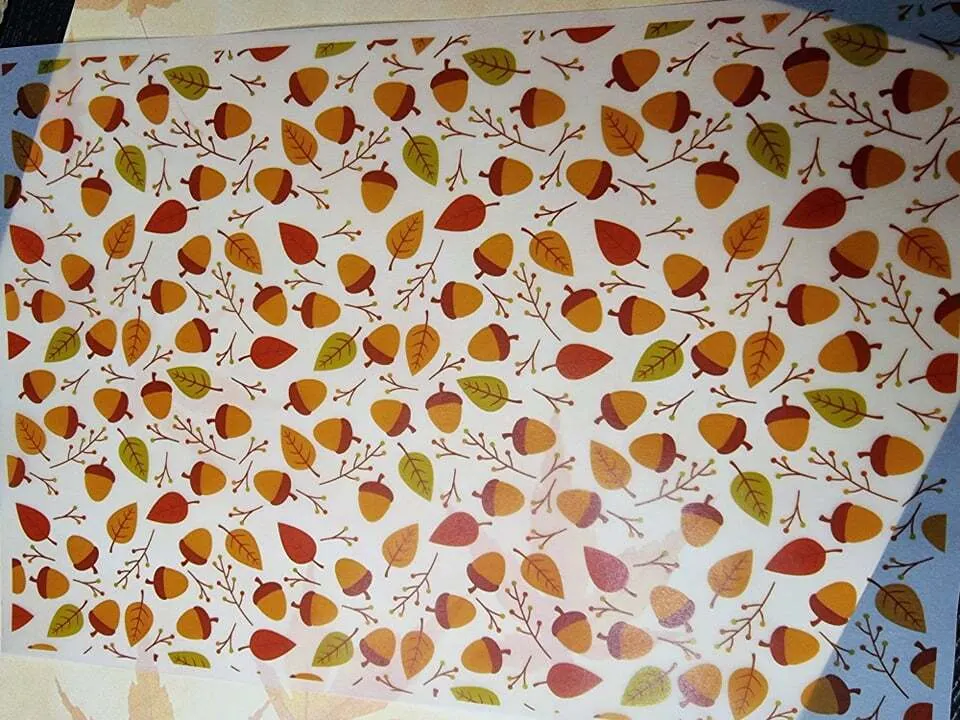
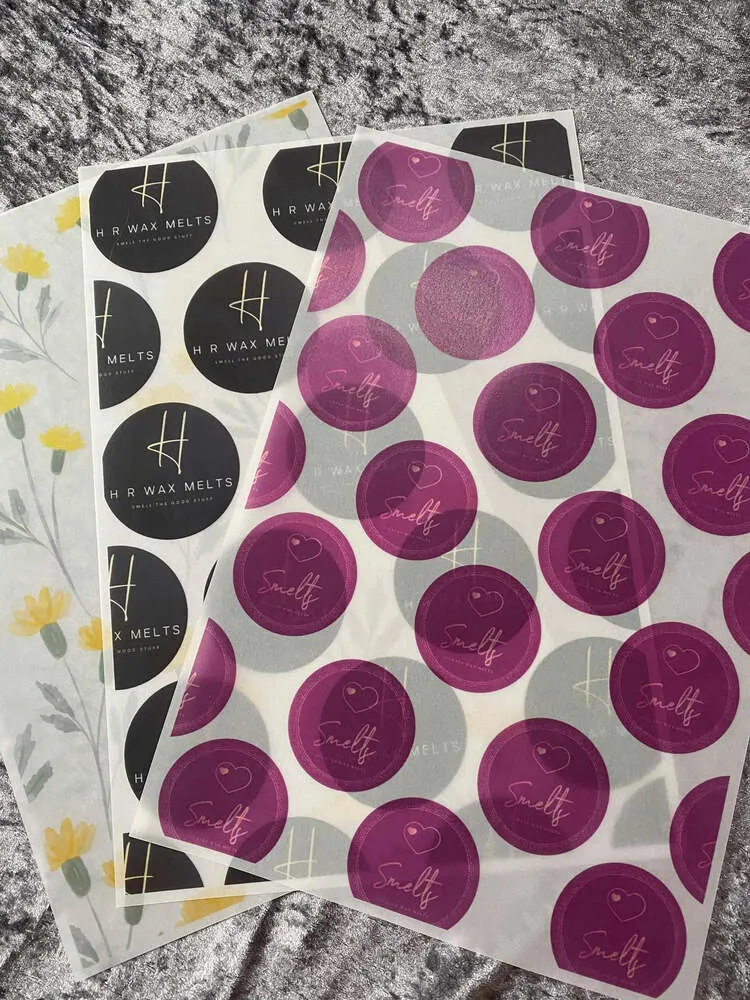
Vellum paper is a translucent, slightly frosted sheet, usually sold in A4 or A3, with a smooth surface that takes ink well. It sits between tracing paper and thin card. Small makers use it as a wrap for soaps, as an inner lining for boxes, as a cover for invitations and as a see-through layer over printed inserts.
Tissue paper and packing paper look similar on a shelf but behave quite differently. This guide sets out the differences so you can match the sheet to the job.
What Vellum Paper Actually Is
Modern vellum is not animal skin. It is a plant-based paper that has been treated or pressed until it turns translucent. Weights run from about 90 gsm for a floaty overlay up to 150 gsm for a sheet that holds a fold without creasing badly.
Lighter sheets, around 90 to 100 gsm, suit wrapping and lining. Anything near 112 gsm or above feeds through most home inkjet and laser printers without much trouble, though you should check your printer manual for its maximum weight.
Patterned vellum is common now. Printed autumn leaves, florals and small repeats show through to whatever sits underneath, which is the whole appeal. Packs of vellum sheets are often sold in tens, which is plenty for a sample run of gift boxes or a set of wedding stationery.
Vellum Paper vs Tissue Paper vs Packing Paper
Tissue is the thinnest of the three, usually 17 to 30 gsm. It is soft, cheap and crinkles easily. It is good for cushioning clothes or candles in a box, and poor for anything that needs a crisp edge.
Packing paper is heavier and more utilitarian. Brown kraft packing paper commonly sits around 40 to 70 gsm and is used to fill voids and wrap fragile items. It is not meant to look pretty, although a printed stamp or sticker makes it look deliberate.
Vellum is the only one of the three you can see through while it still keeps its shape. That makes it the right pick when the wrapped item or the print underneath is part of the presentation.
- Tissue: soft, light, best for cushioning and a casual reveal
- Packing paper: sturdy, plain, best for protection in transit
- Vellum: stiff, translucent, best for presentation and layered designs
Printing on Vellum Paper
Ink behaves differently on a coated or smooth translucent surface. Laser printers are the safer choice, since the toner fuses with heat. Inkjet ink can smear because it dries slowly on a non-porous sheet, so let each page rest for several minutes before stacking.
Print a test page on plain paper first. Then run one vellum sheet through on the lowest speed setting. If the colours look weak, remember that the white of the paper is missing: translucent material makes colours look softer and darker areas look stronger.
Dark backgrounds under vellum make pale text vanish, and white or cream backgrounds make it pop. Think about what the sheet will lie on before you design.
Using Vellum with Labels and Candle Packaging
Vellum wraps work well around candle and wax melt boxes, where a light layer hides the product just enough. A round sticker holds the fold closed and doubles as your branding. If you plan a label design for a product line, business stickers in a matching colour tie the wrap to the rest of your stationery.
Candles sold in the UK also need hazard information on the container. Check the rules for clp labels for candles before settling on a wrap, because a vellum layer must not cover legally required text. Leave the warning panel visible, or place the label on the outside of the wrap.
How to Fold, Cut and Store Vellum
Vellum creases visibly. A fold shows as a white line, so score the sheet first with a bone folder or the back of a butter knife against a ruler. Then fold along the score for a clean edge.
Cut with a sharp craft knife on a self-healing mat, since scissors can tug at the edge of lighter sheets. Store flat, away from damp, and keep sheets in a sleeve. Humidity makes them wave, and sunlight can yellow some cheaper papers over a few months.
If you need a paste, avoid wet glue. It leaves dark patches that show through. Double-sided tape or glue dots stay invisible, or use a small sticker over the join.
Frequently Asked Questions
Is vellum paper the same as tracing paper?
They are close, but not identical. Tracing paper is usually thinner, around 60 to 90 gsm, and made for pencil and pen drafting. Vellum is often heavier and smoother, so it suits wrapping, printing and stationery better.
Can I print on vellum paper at home?
Yes, on most laser printers and many inkjets, provided the weight is within your printer's limit. Use single sheets, allow drying time with inkjet, and run a test page first.
Which weight of vellum is best for wrapping?
Around 90 to 112 gsm is a good balance. It bends around a box without cracking and still lets pattern and product show through. Go heavier only for cards and covers.
Is tissue paper strong enough to protect fragile items?
Not on its own. Tissue prevents scuffs and adds a soft layer, but for glass or ceramics you want packing paper or a few extra wraps, plus a firm outer box.