CLP Wax Melts: Labels and Warning Stickers Explained
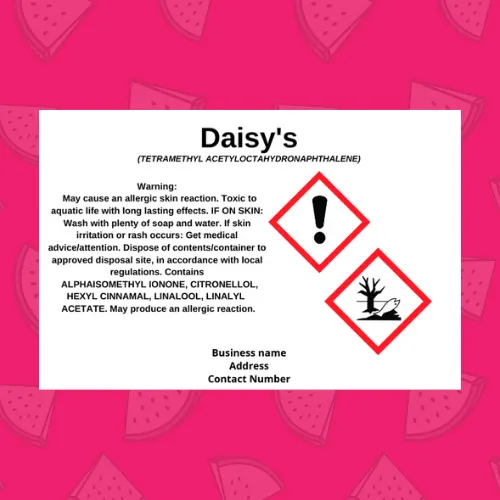 10% CLP Labels for Wax Melts & Sizzlers & Carpet Fresheners RECTANGLES
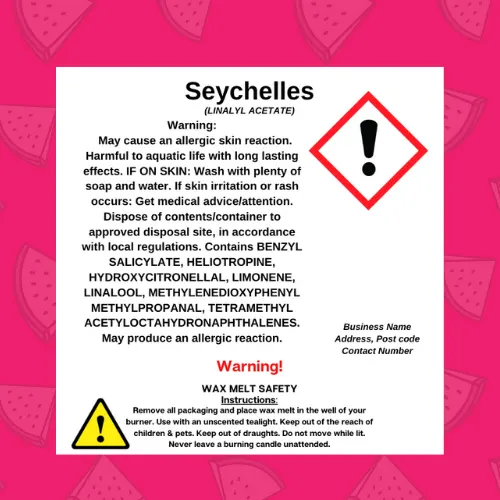 10% CLP Labels for Wax Melts & Sizzlers & Carpet Fresheners SQUARES + Combined Warning Label
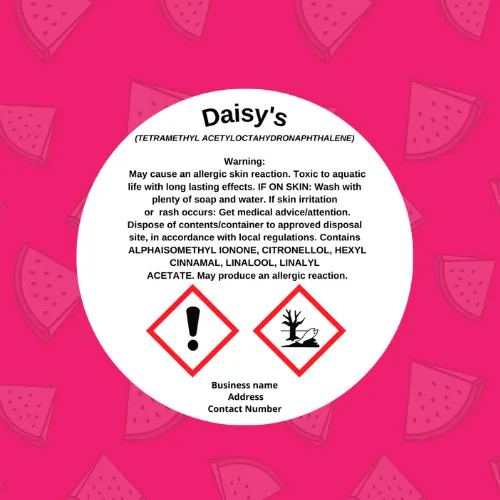 10% CLP Labels for Wax Melts and sizzlers & Carpert Fresheners CIRCLES
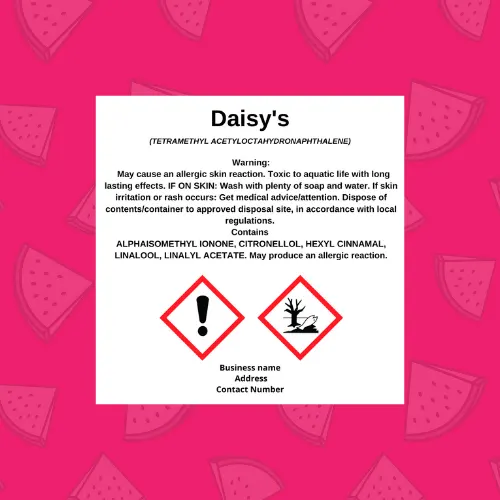 10% CLP Labels for Wax Melts and sizzlers & Carpet Fresheners SQUARES
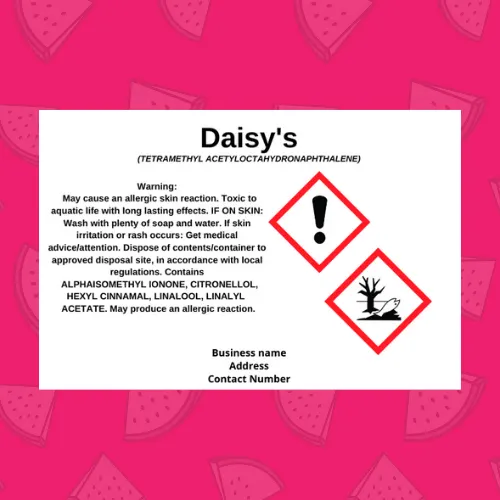 10% CLP Labels for Wax Melts Home Bargain Box Section Size - Rectangle
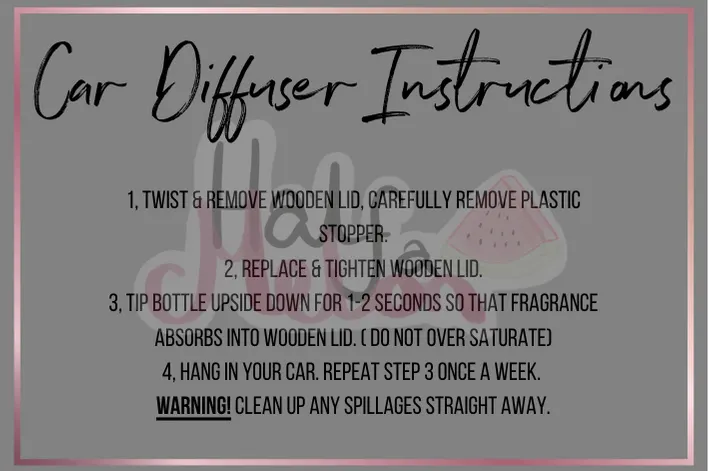
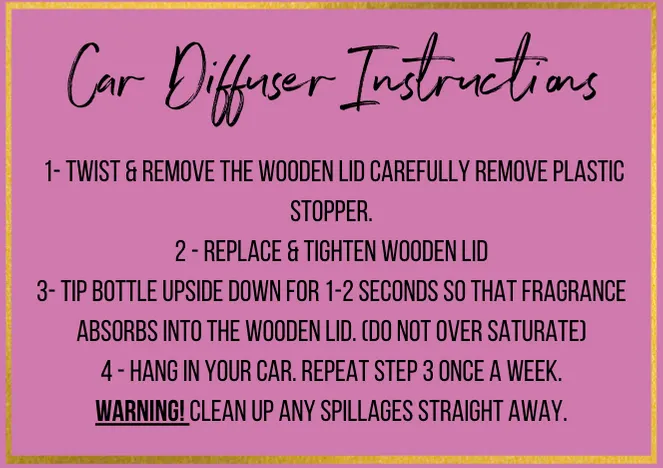
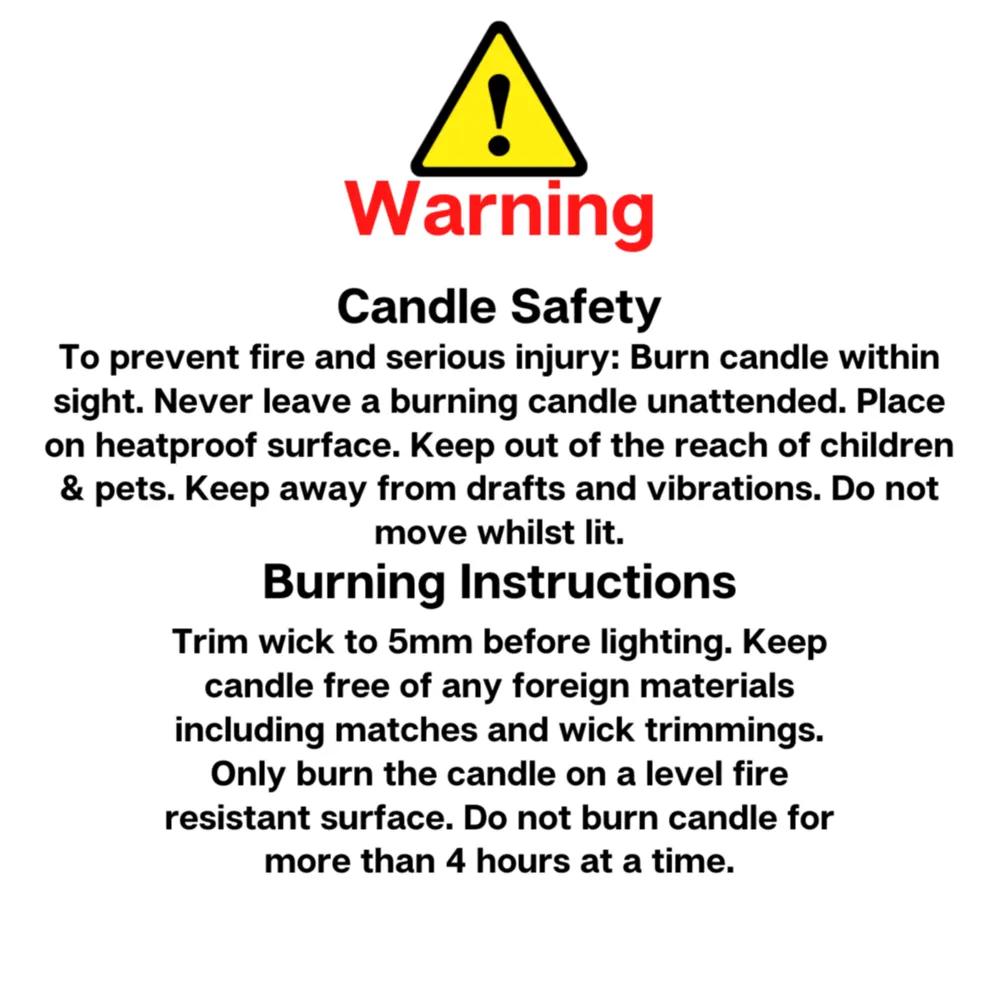 Candle Safety Warning Labels Pack of 75 stickers- 45mm (4.5cm)Car Diffuser Instruction Cards
If you make or sell scented products in the UK, CLP wax melts labelling is not optional. CLP stands for Classification, Labelling and Packaging, the regulation that decides which hazard information must appear on the pack. A wax melt that contains fragrance oil usually needs a label showing a product identifier, a signal word, hazard statements, precautionary statements and the supplier details.
This page gathers the practical points: what goes on the label, which shapes and sizes people commonly use, and where warning cards fit in.
What a CLP wax melt label must contain
The exact wording depends on the fragrance oil, so the starting point is always the safety data sheet from your fragrance supplier. From it you take the classification and build the label.
A typical label carries these elements:
- The product name or identifier, matching the one on your safety documents
- Hazard pictograms, printed in the red diamond border (for example the exclamation mark or the environment symbol)
- A signal word, either "Warning" or "Danger"
- Hazard and precautionary statements taken from the supplier data
- Name, address and phone number of the responsible business
- The nominal quantity, such as 70g or 100g
Pictograms must be big enough to read. The usual minimum is 1cm by 1cm, and for small packs of 3 litres or less the label itself can be as small as 52mm by 74mm. Many makers print on a sheet and cut to fit.
Some fragrances also require the supplemental sentence about allergens, for instance when a listed substance is present above 0.01 percent. Check the data sheet line by line.
Candle CLP labels compared with melt labels
Candle CLP labels follow the same logic, but the burning behaviour adds extra warnings. Candles need guidance on trimming the wick to around 5mm, never leaving a flame unattended, and keeping the product away from drafts, children and pets.
Wax melts are heated by a warmer, so the warnings change. You will see advice about not using the melt in a burner that is too hot, never leaving it unattended, and keeping the warmer on a stable, heat-proof surface.
A packet of 75 candle safety stickers at 45mm (4.5cm) is a common format for the safety side. It sits next to the hazard label rather than replacing it, and the two should not contradict each other.
Choosing a CLP wax melt label shape and size
Shape matters mostly for fit. Your pack decides everything.
Rectangles
Rectangular labels suit clamshell packs and flat pouches. They give the most room for text, which helps when your fragrance has a long list of statements.
Squares
Squares work well on small boxes and on the back of a snap bar tray. A square label with a combined warning section is handy because the hazard text and the usage warning sit together, so you apply one sticker instead of two. The same idea is behind clp labels for wax melts sold as a single sheet with both parts.
Circles
Round labels look neat on jars and tubs but leave less room. They are fine for a short statement set, and a poor choice if your fragrance needs a lot of precautionary text.
My advice is simple. Pick the largest label your pack can carry without covering the branding, then check that the smallest text is still readable. Anything under about 1.2mm letter height starts to cause trouble.
Sizzlers, carpet fresheners and other scented products
Sizzlers (the chunky melts sold for heating in a burner) fall under the same rules as standard melts. Carpet fresheners are different in one respect: they are sprinkled and may be vacuumed, so the label should mention keeping the powder away from eyes and out of reach of children.
If you sell a hoover freshener, the instructions card matters as much as the hazard label, because customers need to know how much to use and how long to leave it before vacuuming. Many sellers add a small card inside the pack with a few lines of directions.
Car diffuser products usually need instruction cards too. A short card explaining not to let the liquid touch the dashboard or plastic trim prevents damage and complaints.
Frequently Asked Questions
Do wax melts really need a CLP label?
Yes, if the fragrance oil is classified as hazardous, and most are. The label must be on the product that reaches the consumer. Selling without one can lead to trading standards action.
Can I put the warning and the hazard text on one sticker?
You can, as long as everything required fits legibly. Combined labels save time during packing. If the text becomes cramped, use two stickers or a larger size.
Where do I find the wording for my label?
It comes from the safety data sheet supplied with each fragrance oil, section 2 in particular. When you blend two oils, the classification of the mixture has to be worked out again. A competent person or a safety assessor can help.
Do I need anything else besides CLP labels?
Often yes. Cosmetic items need a separate safety assessment, and the Collection: CPSR pages cover that report and its labelling. Wax melts are not cosmetics, but makers who also sell balms or scrubs deal with both sets of rules.
Should my branding stickers match the warning labels?
They should sit together without crowding. Plain business stickers carry your logo and the regulatory label carries the legal text, so keep them as two separate elements for clarity.