Hoover Freshener Warning Labels and Safety Cards
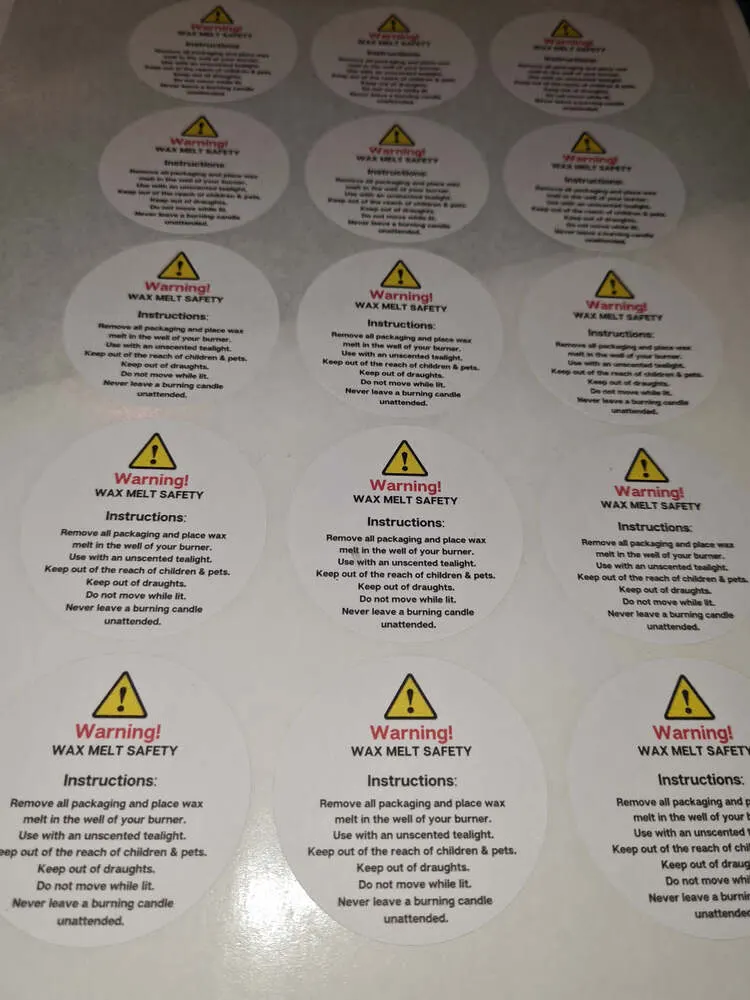
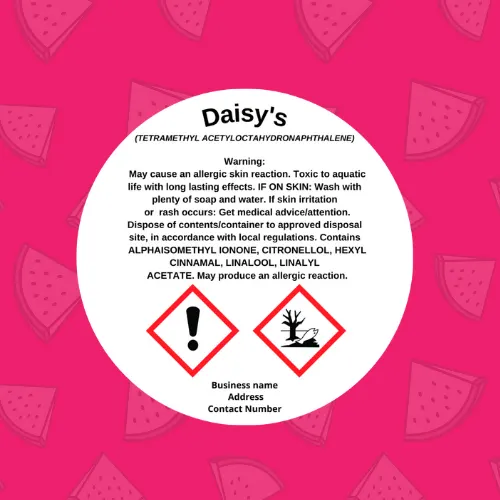
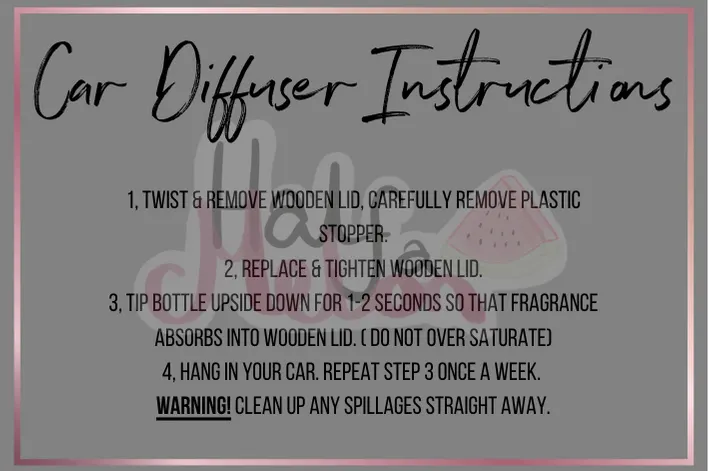 Car Diffuser Instruction Cards
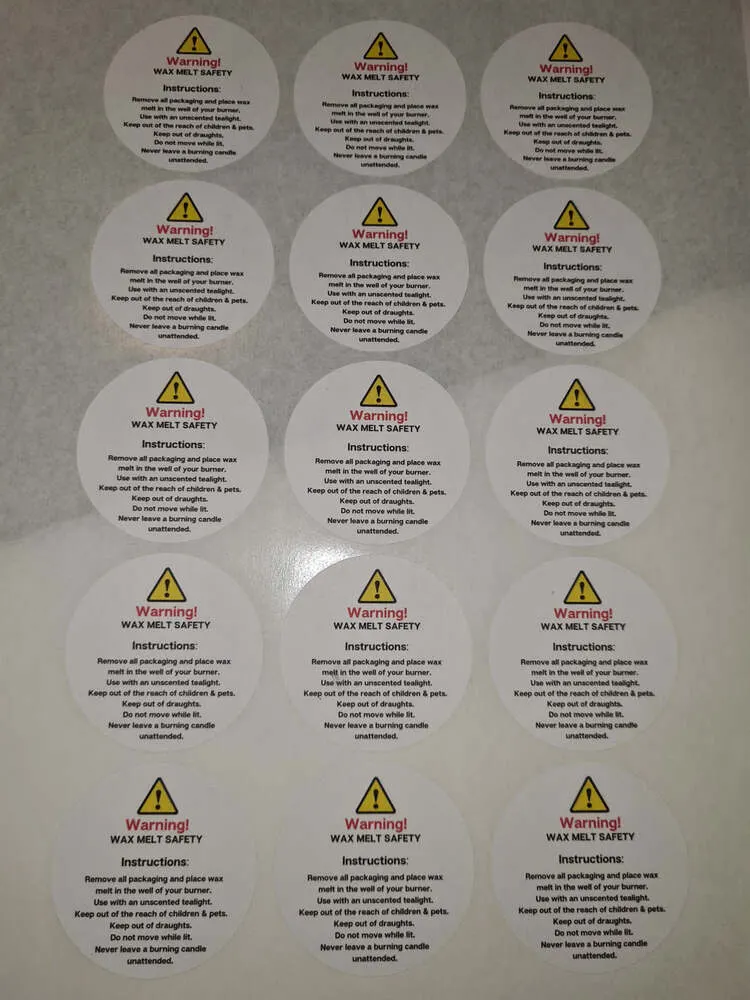 Wax Melt Safety Labels Pack of 70 stickers- 30mm (3cm)
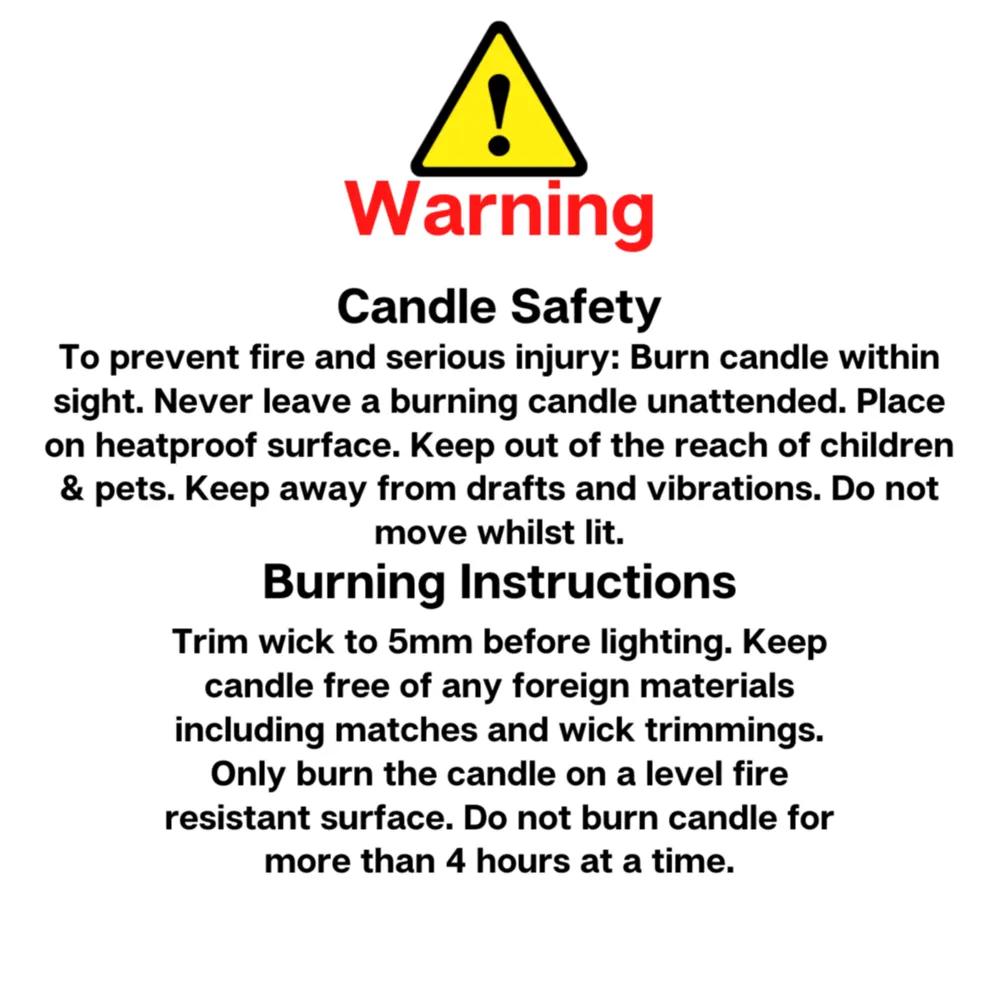 Candle Safety Warning Labels Pack of 75 stickers- 45mm (4.5cm)
A hoover freshener is a scented granule or crystal sprinkled on a carpet before vacuuming. In the UK it counts as a fragranced chemical mixture, so the container usually needs a CLP label. Without one, you cannot legally sell it. That applies to a small batch made at a kitchen table as much as to a factory run.
This page explains what goes on a hoover freshener label, how warning stickers differ from insert cards, and where wax melts fit in.
What a Hoover Freshener Label Must Show
The basics are the same for most scented products. Fragrance oils often contain allergens or skin sensitisers, so the label has to reflect the oil's safety data sheet, and the data sheet comes from your fragrance supplier.
- Product name or identifier
- Hazard pictogram (the red diamond), where the mixture is classified
- Signal word, either "Warning" or "Danger"
- Hazard and precautionary statements, such as H317 (may cause an allergic skin reaction)
- Names of the allergenic or hazardous ingredients that triggered the classification
- Supplier name, address and phone number
- Nominal quantity, for example 250 g
Pictograms must be at least 1 cm by 1 cm, and on larger packs they grow. Containers up to 3 litres need a pictogram of about 16 mm square at minimum. Keep that in mind before picking a tiny round sticker for a small tub.
Safety Labels: Sticker or Printed Card?
Many makers ask whether they can put the details on a card instead of the pack. For small containers the answer is sometimes yes, through a fold-out label or a tied tag, but the key hazard information still has to be on the container itself. A card is a supplement, not a replacement.
Safety labels work best as a single combined sticker on the base or lid. A card inside a gift bag is useful for burn-time advice, storage and allergy notes, which are not legally part of the CLP panel but cut down on complaints.
Text must be indelible and easy to read. As a rule of thumb, aim for a font of 6 pt or larger, and use black on white or a high contrast colour. Matt or laminated vinyl copes with spills and oils far better than plain paper, which smears once fragrance oil touches it.
Warning Stickers for Everyday Products
Warning stickers are shorter notices that sit beside the main label. Typical examples are "Keep out of reach of children", "Do not ingest" and "Not suitable for pets". They help, but they do not stand in for a proper hazard panel.
Some makers add a seal sticker across the lid. It shows the tub has not been opened and gives a spot for a batch number. A batch code made of a date and a letter, such as 0126A, makes recalls much simpler.
If you also run a loyalty scheme with your products, scratch card stickers are a separate category and carry no legal wording. Keep those off the CLP panel so the hazard information stays clean.
Wax Melt Safety Labels
Wax melts follow the same logic. Because they are heated in a burner, the label usually needs extra practical advice besides the CLP panel. Clear instructions lower the risk of burns and fires.
A typical melt label says: never leave a burning tealight unattended, keep the burner on a heatproof surface, and keep it away from children and pets. Many people also add a line telling users to stop using the wax after about 8 to 10 hours of melting, or when the scent fades.
For the legal side, the page on clp wax melts goes through the classification step. If you want a ready layout with square pictograms and a combined warning panel, the guide to clp labels for wax melts shows how those are normally arranged.
Sizes are tight. A standard clamshell often has a lid of around 7 cm, so a 50 mm by 50 mm square label is a common fit. Anything smaller forces the text down below readable limits.
Choosing Materials and Print Quality
Choose waterproof vinyl for anything that will be handled with oily fingers. Gloss laminate resists rubbing, though matt looks better on natural packaging. Test a sample with a drop of fragrance oil before ordering a full run of, say, 100 labels.
Check the colour of the hazard diamond too. The border must be red and clearly visible against the background, otherwise the label may be rejected by trading standards. A white background behind the pictogram is the safest option.
Frequently Asked Questions
Do hoover fresheners really need CLP labels?
Yes, if the mixture is classified as hazardous, which many fragranced products are. Check the safety data sheet from your fragrance supplier and the concentration you use. Even when no pictogram is needed, supplier details and quantity are still good practice.
Can I use one label for several scents?
Only if the hazard classification and listed ingredients are identical. Different fragrance oils usually contain different allergens, so each scent normally needs its own panel. A shared base label with a changeable scent line is a practical compromise.
What is the minimum size for a CLP pictogram?
The absolute minimum is 1 cm by 1 cm, but for packs up to 3 litres the expected size is about 16 mm square. The label itself must be large enough to hold all text without cramming it.
Are warning stickers enough on their own?
No. They support the main label but cannot replace the required hazard pictograms, signal word and statements. Treat them as extra advice for the user.