Rectangle Logo Labels: Sizes, Materials and Layout Tips
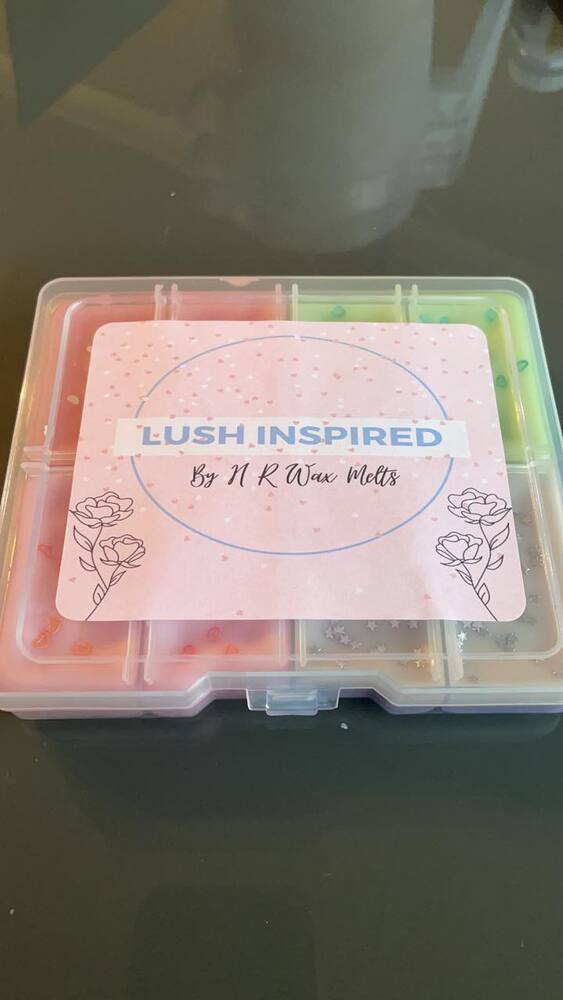
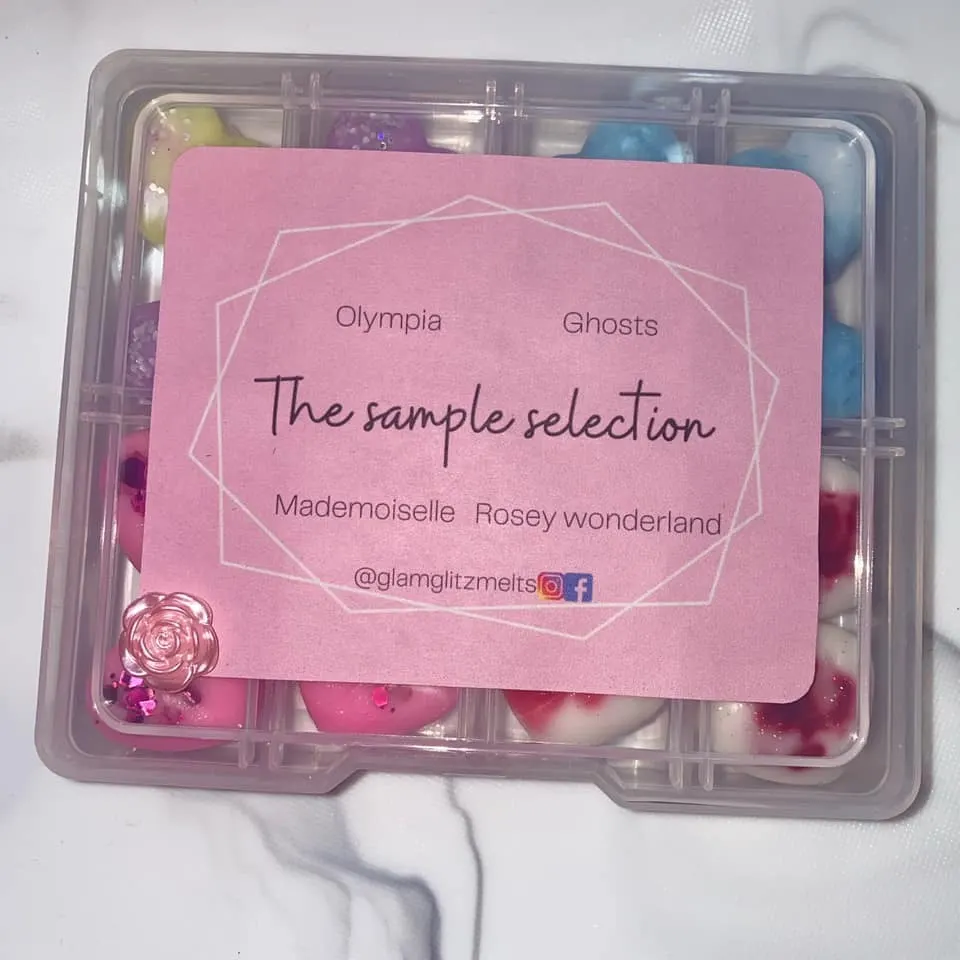
A rectangle logo works best when the artwork is wider than it is tall, or when you need room for a name plus a line of small text. Most small brands start with a landscape format around 50 x 25 mm or 60 x 30 mm. Those sizes fit a jar lid, a tissue paper seal or the front of a small box without crowding.
This page covers what to check before you settle on a rectangle logo label: size, material, corners, artwork and, for scented products, the legal text that has to sit alongside your branding.
Choosing a rectangle logo size
Start with the surface, not the design. Measure the flat area where the label will go, then subtract about 3 mm on every side so nothing touches an edge or a curve.
Some common starting points:
- 40 x 20 mm for seals, tags and small cosmetic tubes
- 50 x 25 mm for lids, wax melt clamshells and bag closures
- 75 x 50 mm for jar fronts and mailer boxes
- 100 x 60 mm for larger tubs, with space for a short description
Text gets unreadable faster than people expect. Keep body copy at 6 pt or above, and keep your logo itself at least 15 mm wide so fine lines do not fill in during printing.
Rectangle sticker labels: material and finish
Rectangle sticker labels come in a handful of materials, and the choice matters more than the shape. Matt white paper looks soft and works well for dry goods and stationery. Gloss paper makes colours stronger but shows fingerprints. White vinyl handles moisture, oil and light scuffs, so it suits soap, bath products and anything stored in a bathroom.
Clear film is the one to pick if you want a printed logo that looks painted onto glass. It needs a clean, smooth surface, and dark jars show the print best when the artwork uses white ink underneath. Ask the printer whether white ink is included, because many standard runs skip it.
For candles, think about heat. A label sitting on the side of a jar will warm slightly during a burn, so an adhesive rated for that temperature is sensible. Kraft paper is popular, though it soaks up wax if the label sits near a pour line.
Square or rounded corners
Sharp corners look crisp but can lift at the edges on curved jars. Rounded corners, usually a 2 to 3 mm radius, catch less and stay down longer. If your logo has a border, match the border radius to the label corner or the two will look slightly off.
Preparing your rectangle logo artwork
Send vector files where possible (SVG, PDF or AI). A bitmap logo should be at least 300 dpi at the final print size, which means a 60 mm wide label needs roughly 700 pixels across.
Leave a 2 mm bleed beyond the cut line if the design runs to the edge, and keep important text 3 mm inside it. Convert fonts to outlines. Check that a one-colour version of the logo exists, since it is useful for stamps, tape and cheaper print runs.
Print one test sheet on plain paper at 100% scale and hold it against the product. Ten minutes with a ruler saves a whole reel of wrong-sized labels.
Rectangle labels and CLP requirements
If the product is scented and sold in the UK, the logo label is only part of the job. Candles and wax melts that contain hazardous fragrance ingredients need a CLP label with a signal word, hazard pictograms, supplier details and a batch or reference number. Many sellers put the logo on the front and the legal text on the base or back.
Read up on clp labels for candles if you pour jar or pillar products, since the information required depends on your fragrance oils and their percentages. The same applies to clp labels for wax melts, where small clamshells often leave only a narrow strip for text. A rectangle format suits that well, because a 50 x 25 mm panel can hold a pictogram and a short warning in a clean row.
Pictograms must be at least 16 x 16 mm in most cases, and the minimum label size grows with the container volume. Always confirm against current guidance for your own formulas before printing.
Using one logo across several label types
Many small brands end up with a rectangle logo on lids, a smaller version on seals and a wider one on boxes. Keep the proportions the same, change only the scale, and you avoid redrawing the artwork three times. The wider range of business stickers follows the same rule: one master file, several crops.
Frequently Asked Questions
What is the best size for a rectangle logo label?
For jar lids and small boxes, 50 x 25 mm is a safe starting point. Larger jars take 75 x 50 mm comfortably. Measure the flat area first and leave about 3 mm clear around the edges.
Can I print a rectangle logo on clear stickers?
Yes, but the result depends on the surface behind it. On glass or light packaging the print looks clean. On dark items you need white ink under the colours, otherwise the logo appears faded.
Do rectangle labels peel on curved jars?
They can if the label is tall relative to the curve. Rounded corners, a flexible vinyl or film, and a label height under roughly 40 mm on small jars all reduce lifting.
Does my logo label also count as a CLP label?
No, unless it carries every required element. A logo alone does not meet the rules, so a scented product usually needs a separate or combined label with the warning text and pictograms.